







Search Results for: Kopi Luwak brewing
Is Vietnamese Kopi Luwak Authentic? An Analysis of the Origins, Flavor Characteristics, and Correct Brewing Methods of Kopi Luwak
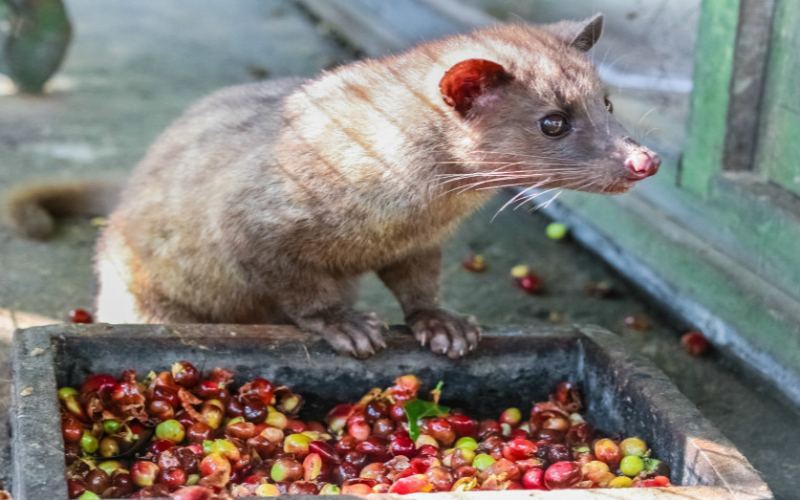
Kopi Luwak is regarded by many as the "aristocrat" of the coffee world, but what exactly is its origin? Is the large volume of Vietnamese Kopi Luwak circulating on the market genuine? True Kopi Luwak originates from Indonesia, officially known as "civet coffee" (Kopi Luwak), and is produced by wild civets eating coffee cherries and undergoing internal fermentation, resulting in extremely low global annual output and high prices. This article will systematically sort out the origin, flavor characteristics, authenticity identification, and animal welfare controversies of Kopi Luwak, and provide a detailed introduction to the parameters and techniques used by Front Street Coffee (FrontStreet Coffee) for brewing Indonesian Kopi Luwak with a KONO dripper. [more…]
The Dark Truth About Indonesian Kopi Luwak: Why You Shouldn't Drink It No Matter How Cheap It Gets
Kopi Luwak is hailed as the "aristocrat" of coffee, renowned for its distinctive minty coolness and syrupy consistency. However, behind this expensive drink lies a distressing and cruel truth. Authentic Indonesian Kopi Luwak is extremely low in yield, the market is flooded with a large number of counterfeit products, and the process of artificially farming civets is even more brutal torture for the animals. Front Street Coffee takes you through the origins and flavor characteristics of Kopi Luwak, and why we should no longer consume this kind of coffee. At the same time, Front Street also recommends coffees from other excellent regions, so that while enjoying deliciousness, you can also make a more humane choice. [more…]
Where is Indonesian Kopi Luwak produced? A full analysis of its origin story and pour-over and cold brew parameters
Kopi Luwak is one of the rarest and most expensive coffees in the world, with an annual production of less than 120 pounds. Its unique in-vivo fermentation process gives it a thick, rich, and mellow flavor. This article will guide you through the origin of Front Street Kopi Luwak—the Gayo highlands of Sumatra, Indonesia—review the story of this specialty coffee from the 16th century to the present, and share detailed parameters for low-temperature pour-over and cold-drip brewing. In addition, the article includes tasting tips and clever uses for coffee grounds in skincare, allowing you to fully experience the unique charm of this rare coffee from brewing to tasting. [more…]
Indonesian Civet Coffee Flavor Analysis: Authentic Kopi Luwak Taste Characteristics, Origin Truth, and Pour-Over Recommendations
Kopi Luwak is called the "aristocrat" of the coffee world, officially known as Kopi Luwak, originating from coffee beans naturally fermented in the excrement of the Indonesian civet. When brewed, it carries a sweet aroma reminiscent of honey and chocolate, with a silky mouthfeel that is neither bitter, sour, nor astringent; even after cooling, it remains mellow and sweet, with a faint cooling sensation of mint in the aftertaste. However, the common Vietnamese instant "civet-flavored coffee" on the market is not the genuine article. This article will sort through the origin story of authentic Kopi Luwak, the reasons behind its flavor, the current state of its production and pricing, as well as the hidden concerns behind captive farming, and will include Front Street Coffee's medium-dark roast brewing approach and parameter references, to help coffee enthusiasts view this rare coffee rationally. [more…]
Distinguishing Authentic from Fake Vietnamese Civet Coffee: Why Is It So Cheap, and How Does It Differ from Authentic Indonesian Kopi Luwak?
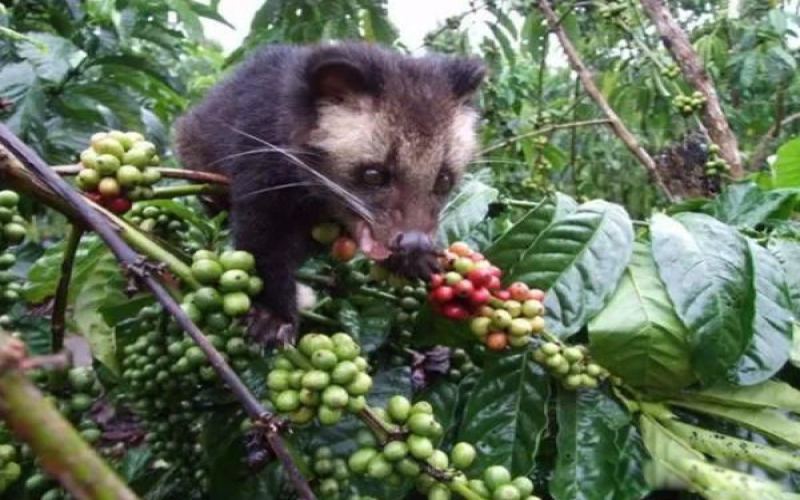
Kopi luwak has long been regarded as one of the most expensive coffee categories in the world. Its authentic origin is Indonesia, where coffee beans naturally excreted by civets are refined through multiple processes, resulting in extremely low yields. However, the market is flooded with affordable Vietnamese kopi luwak—so what is really going on? Front Street Coffee will analyze the essential differences between Vietnamese kopi luwak and authentic Indonesian kopi luwak, reveal the reasons behind its low price, review several common kopi luwak products on the Vietnamese market, and share Front Street's brewing parameters and flavor performance for kopi luwak. In addition, the article will also explore the proliferation of counterfeit kopi luwak and the issue of animal welfare in the production process, helping coffee enthusiasts view this special category rationally. [more…]

Analysis of the Differences Between Indonesian Kopi Luwak and Yunnan Kopi Luwak Coffee Beans, Plus Flavor, Taste, and Stories
Indonesian kopi luwak has long been known as the "Hermès" of the specialty coffee world. As early as 2002, a pound sold on the New York market for more than US$500, and its extremely scarce production is the main reason for the high price. This coffee's flavor carries Indonesia's distinctive herbal notes, has a prominent full body, and is accompanied by an indescribable sweetness. In this article, Front Street Coffee will sort out the origin story of kopi luwak, its flavor characteristics, and the real impact of the civet's internal fermentation processing method on coffee beans, while also sharing the roasting and brewing parameters for this Indonesian kopi luwak at Front Street's store. [more…]
The Mystery of Indonesian Kopi Luwak's Flavor Formation and Price: From Wild Civets to Front Street Coffee Brewing Suggestions
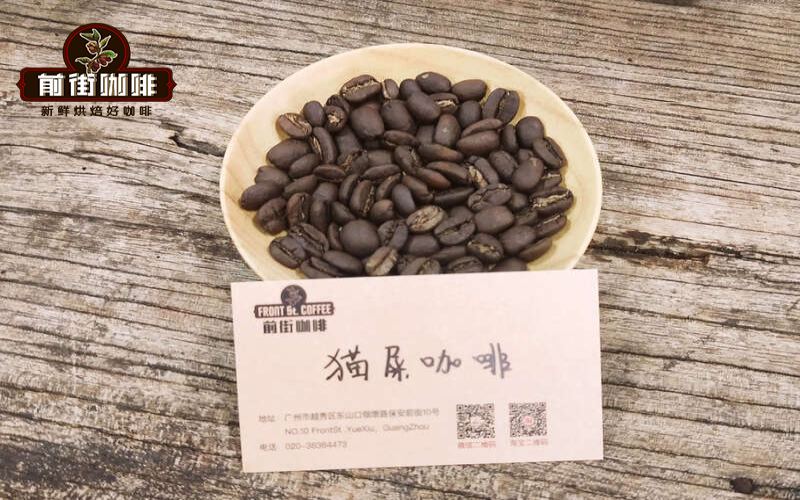
The fame of Kopi Luwak is on par with Jamaican Blue Mountain coffee; even those who don't often encounter specialty coffee have likely heard of it. Why does this coffee from Indonesia have such a unique flavor and high price? And how can authentic Kopi Luwak be identified? This article, from the perspective of Front Street Coffee, will sort out the historical origins of Kopi Luwak, the real impact of the fermentation process within the civet's body, its flavor characteristics and the reasons for its high cost, and will also include detailed information and brewing parameters for this Indonesian Kopi Luwak bean available at Front Street's shop, providing a complete reference for curious coffee enthusiasts. [more…]
Is Vietnamese weasel coffee authentic? Flavor characteristics and an analysis of its differences from authentic Indonesian weasel coffee
Kopi Luwak has long been regarded as one of the most expensive coffee varieties in the world, with its authentic origin being Indonesia. However, there is a considerable amount of affordably priced Vietnamese Kopi Luwak circulating on the market—so what exactly is going on? This article will analyze the essential differences between Vietnamese Kopi Luwak and authentic Indonesian Kopi Luwak from the perspectives of origin, variety, and production methods. It will also introduce several common Vietnamese Kopi Luwak products and share Front Street Coffee's brewing parameters and flavor descriptions. In addition, we will explore the issues of counterfeit Kopi Luwak flooding the market and animal welfare concerns in the production process, helping coffee enthusiasts make more rational choices. [more…]

Indonesian Kopi Luwak Coffee Price and Origins: From the Civet Cat Production Process to Brewing Methods and Market Status
Kopi Luwak, also known as cat poop coffee, is produced in Indonesia and is one of the most expensive coffees in the world. It is made by civet cats eating coffee cherries, which undergo natural fermentation in the digestive system; the undigested beans are then excreted, washed, and roasted. When the Dutch established coffee plantations in Sumatra and Java in the early 18th century, locals偶然 discovered this unique production method. Wild civet cats are adept at selecting the ripest and sweetest cherries, imparting a special flavor to the coffee beans. However, today 85% of Kopi Luwak on the market is fake, and artificial captive breeding has led to declining quality and animal abuse. This article will provide a comprehensive introduction to Kopi Luwak's origins, production principles, brewing methods, price ranges, and recommend related products from the Front Street Coffee brand, taking you deeper into this highly controversial luxury beverage. [more…]
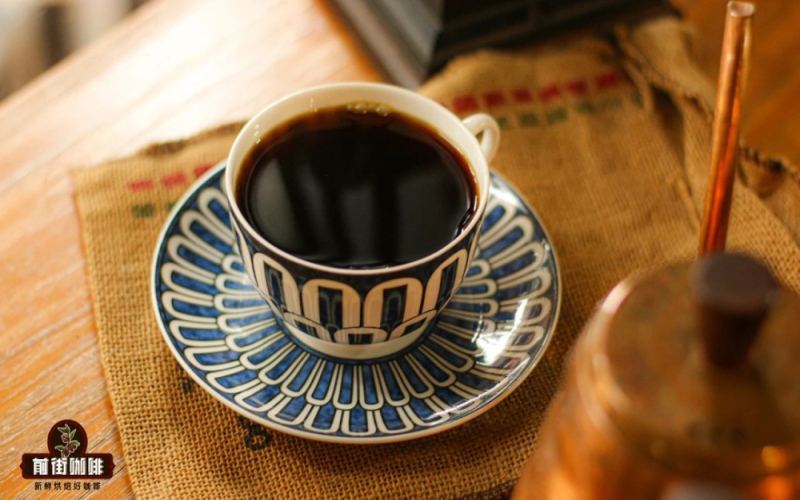
The Truth About Kopi Luwak Origins and Flavor Analysis: Civet Coffee Bean Characteristics, In Vivo Fermentation Principles, and Front Street Brewing Notes
Is kopi luwak really made from actual cat feces? Why does it command such astronomical prices? Can the digestive system truly change the flavor of coffee beans? This article, from the objective perspective of Front Street Coffee, sorts out the origin background of kopi luwak, the principles of fermentation inside the civet's body, the characteristics of the coffee beans, and the current market situation, while preserving Front Street Coffee's roasting and brewing records for Indonesian Aceh kopi luwak, to help you understand the true face of this controversial coffee at a glance. [more…]
Front Street Kopi Luwak Pour-Over Full Guide: Indonesian Sumatra Flavor Profile and Low-Temperature Extraction Technique Tutorial
Front Street Kopi Luwak comes from the central mountain region of Aceh in Sumatra, Indonesia, and is an extremely rare specialty Arabica coffee. What makes this coffee unique is that ripe coffee cherries are eaten by wild civets, undergo fermentation and breakdown by special enzymes within their bodies, and are then excreted, washed, and lightly roasted, ultimately presenting a rich, mellow flavor completely different from regular coffee. Global annual production does not exceed 120 pounds, and the price is high, making it truly difficult to obtain even a single cup. This article will introduce in detail the origin background and flavor formation of Front Street Kopi Luwak, and focus on explaining two brewing methods: low-temperature pour-over and cold drip, along with key parameters such as water temperature, grind size, and coffee-to-water ratio. It also includes tasting methods and the wonderful uses of coffee grounds for skincare, helping coffee lovers fully master the brewing and tasting essentials of this rare coffee. [more…]
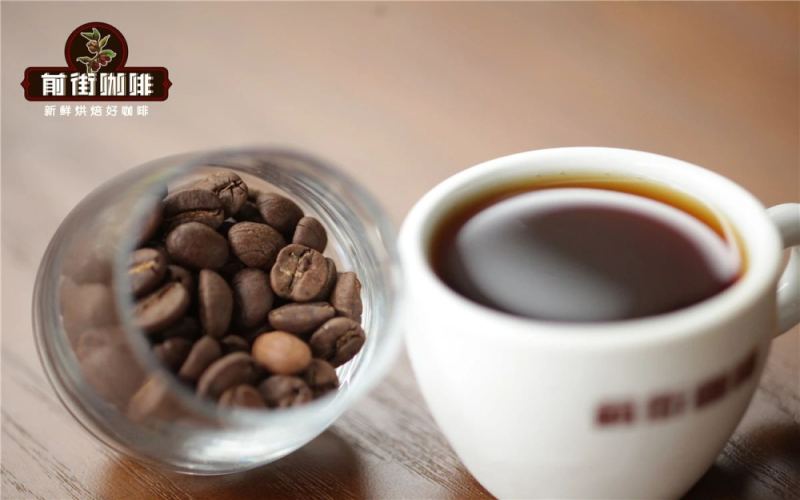
Exploring Indonesian Coffee Origins: The Flavor Truth of Mandheling and Kopi Luwak, Plus Front Street Brewing Tips
Indonesia is an important coffee-producing region globally, and among its coffees, Mandheling and Kopi Luwak are the most talked-about. Kopi Luwak is produced through fermentation within the civet, resulting in a flavor with herbal notes and excellent body, but its production is scarce and the price is high. However, driven by commercial interests, caged farming practices force civets to eat only coffee cherries, sparking controversy over animal welfare. Front Street Coffee believes that the formation of Kopi Luwak itself is not problematic; the issue lies in forced captivity and force-feeding. This article will discuss the origin of Kopi Luwak, the reasons behind its flavor, and the principles of in vivo fermentation, and share Front Street's neutral perspective and brewing methods, while recommending several Indonesian and other origin coffees worth trying. [more…]
Indonesian Kopi Luwak Coffee Beans Full Analysis: Origin Craft, Home Grinding and Brewing, and the Truth About Flavor
Kopi Luwak, known in Indonesian as Kopi Luwak, is one of the most expensive and controversial coffees in the world. It originates from coffee beans naturally fermented inside the civet, carrying a unique flavor and legendary allure, yet market demand has also spawned a flood of counterfeits and a cruel caged-farming industry. This article provides a complete overview of Kopi Luwak's historical origins, origin-processing methods, and quality controversies, and focuses on sharing how to grind and brew it at home to bring out its best flavor. If you're curious about this rare coffee bean, why not follow Front Street Coffee's perspective and uncover its true face from the jungle to the cup. [more…]
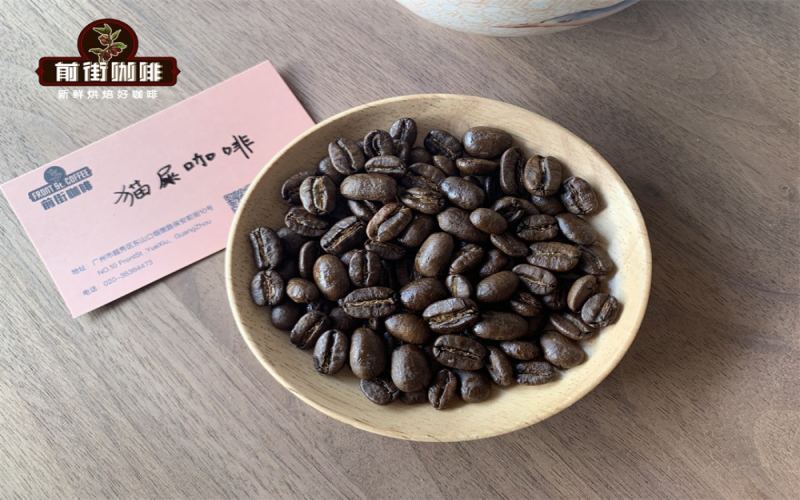
Indonesian Kopi Luwak Flavor Analysis: Is the Taste Acidic? Front Street Coffee Discusses Civet Coffee Characteristics and Brewing
Kopi Luwak, also known as civet coffee, is a name that even people who don't drink coffee often have heard of, yet within the specialty coffee community, this coffee is explicitly boycotted, and the root cause lies in its overly cruel production method. This time, Front Street Coffee takes a look at Indonesian Kopi Luwak: from the coconut palm civet stealing and eating coffee cherries, through biological fermentation in its stomach juices and intestines, to the traditional processing flow in which coffee farmers collect the feces, wash them, and sun-dry them; from the hybrid background of the Indonesian Golden Mandheling variety, to the similar practice behind Brazil's bird poop coffee; and then to the origin and method of Vietnamese egg coffee. At the same time, Front Street will also discuss the flavor controversy surrounding Kopi Luwak, its SCAA scoring performance, and specific suggestions for roasting and brewing, helping coffee lovers view this highly talked-about coffee more rationally. [more…]
The Price, Flavor, and Origin of Indonesian Bali Civet Coffee: Front Street Coffee Discusses the Controversy and Brewing of Kopi Luwak
Kopi Luwak has always been an unavoidable topic in coffee circles. It carries the title of the world's most expensive coffee, yet it has always been accompanied by controversy. Front Street Coffee stores also carry this bean, but our attitude toward it is rather complicated. This article will discuss the price, flavor characteristics, and the story behind Indonesian Bali Kopi Luwak, including the civet's living habits and the principle of in vivo fermentation, as well as why the practice of caged bean collection is worth reflecting on. At the end, Front Street will also share the brewing parameters and flavor description of Kopi Luwak, and recommend several alternative beans for enthusiasts who like different flavors. [more…]
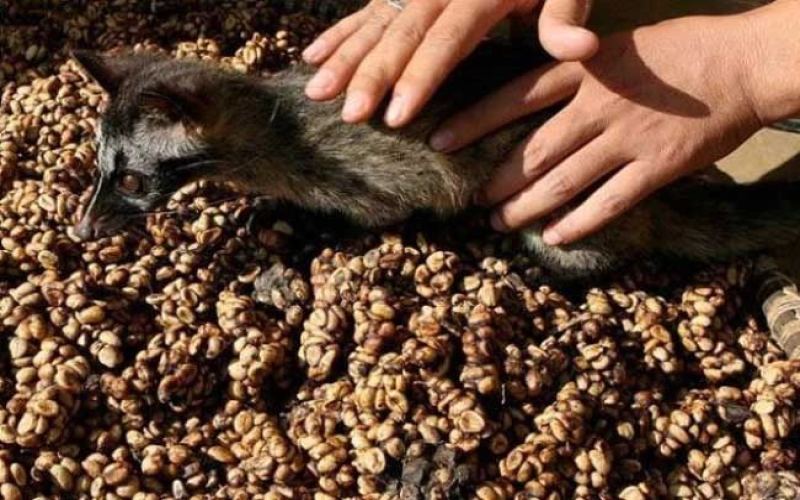
How to distinguish real and fake Kopi Luwak coffee from Vietnamese G7 coffee? A comprehensive analysis from origin and processing to flavor.
Kopi Luwak is hailed as one of the most expensive coffees in the world, but the so-called "kopi luwak" circulating on the market is hard to tell apart from the real thing—many products are simply ordinary coffee with a similar flavor profile. This article begins with the true origins of kopi luwak, the natural fermentation process of the civet, and the reasons behind its scarce production, while also revealing the harsh reality behind caged farming, and sharing Front Street Coffee's views on the flavor of kopi luwak along with brewing parameters. The article also touches on the topic of distinguishing authentic Vietnamese G7 coffee from counterfeits, helping coffee enthusiasts see through the essence amid a chaotic market. If you care about the true value of coffee, its flavor expression, and purchasing advice, this content is worth reading carefully. [more…]
Indonesian Civet Coffee Bean Flavor Story and an Analysis of Its Differences from Yunnan Civet Coffee
Kopi Luwak was once regarded as a luxury in the specialty coffee world, selling for as much as $500 per pound in New York in 2002, and its scarcity is an important reason for its high price. It carries the herbal aroma, high body, and indescribable sweetness unique to Indonesian coffee, but is its flavor really worthy of its name? From the perspective of Front Street Coffee, this article sorts out the origin story of Indonesian Kopi Luwak, the reasons behind its flavor, the real impact of the fermentation treatment method inside the civet's body, and compares it with Indonesian Mandheling and Chinese Yunnan Kopi Luwak, finally attaching the roasting and brewing data for this Kopi Luwak in Front Street's shop for coffee lovers' reference. [more…]
Is Indonesian Kopi Luwak Sour or Bitter? Origin, the Truth About In-Body Fermentation, and Why It's So Expensive
The fame of Kopi Luwak is almost on par with Jamaican Blue Mountain coffee; even those who don't often drink specialty coffee have likely heard of it. The name may not sound elegant, but why is it so famous and so expensive? From the perspective of Front Street, this article sorts out the historical origins and flavor profile of Indonesian Kopi Luwak, clarifies whether it is sour or bitter, and analyzes the real impact of the in-body fermentation process of the civet on coffee beans. It also explains the reasons for its high price and scarcity, as well as the difference between wild and artificially fed beans, and finally includes the parameters and brewing suggestions for this Front Street Indonesian Kopi Luwak coffee bean. [more…]
The Origin and Flavor Analysis of Indonesian Kopi Luwak: From Fermentation in the Civet's Body to Front Street Coffee's Complete Brewing Parameters
Indonesian kopi luwak has long been regarded as a luxury in the specialty coffee circle. In 2002, it sold for as much as $500 per pound on the New York market, mainly because of its scarce production. Although its name is not elegant, its flavor carries Indonesia's distinctive herbal notes and heavy, mellow body, along with an indescribable sweet aftertaste. In this article, Front Street Coffee sorts out the origin story of kopi luwak, the reasons behind its flavor, and the true role of the fermentation process inside the civet's body, and also includes the roasting and brewing data for this bean at Front Street's store, for coffee lovers to reference when judging whether it is a legend or a gimmick. [more…]
Exploring the World's Most Expensive Coffee: The Origins, Production Regions, and Brewing Methods of Indonesian Kopi Luwak
Kopi Luwak, officially known as Kopi Luwak, is a highly talked-about traditional specialty from the Indonesian archipelago. Its raw material comes from beans excreted by wild civets after eating coffee cherries. Annual production is only about 500 pounds, the production process is complex and requires strict hygiene handling, and the finished product has a unique aroma, which is why the price is astonishing—a 4-ounce cup can sell for $168. This article will guide you through Kopi Luwak's origin and distribution, how it is obtained, the details of brewing and extraction, and its display at the Indonesia Pavilion at the World Expo, while also preserving related recommendations from the Front Street brand. [more…]